What Is a Full Body MRI and What Does It Include?
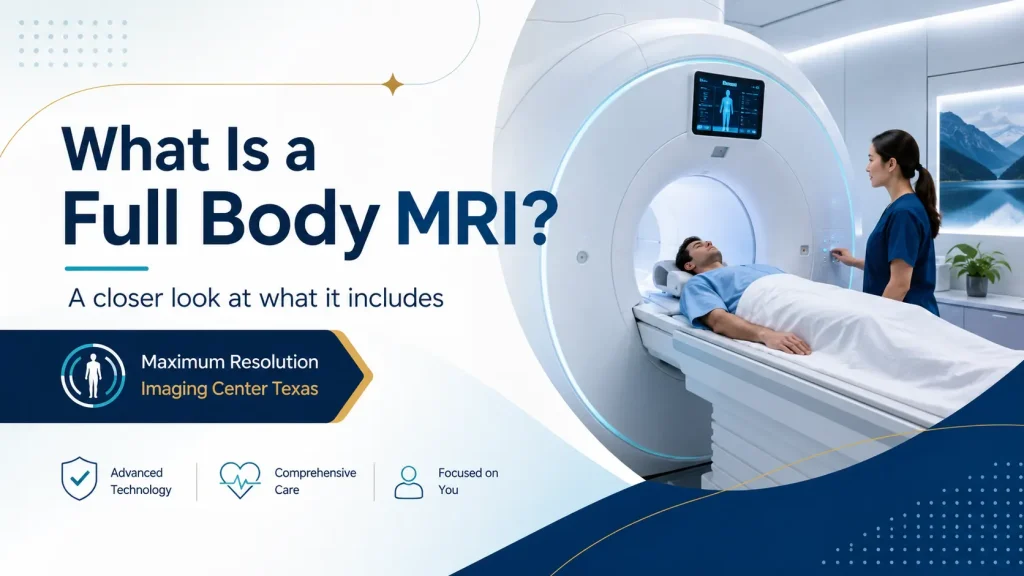
A full body MRI is an advanced imaging scan that looks at multiple areas of the body in one detailed exam. It is often used by patients who want a broader view of their internal health, especially when they are looking for early detection, preventive screening, or more complete health insights.
At Maximum Resolution Imaging Center Texas, patients in Richmond, Houston, and nearby areas can receive full body MRI scan services in a comfortable, patient-focused imaging setting. This type of scan can help provide detailed visual information that may support conversations with your healthcare provider.
What Is a Full Body MRI?
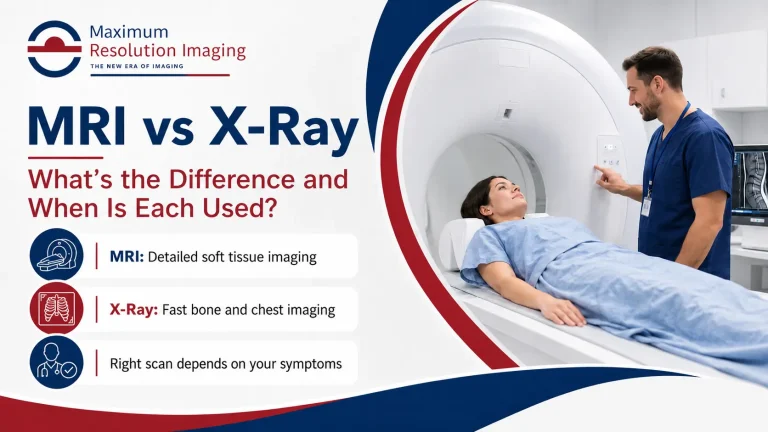
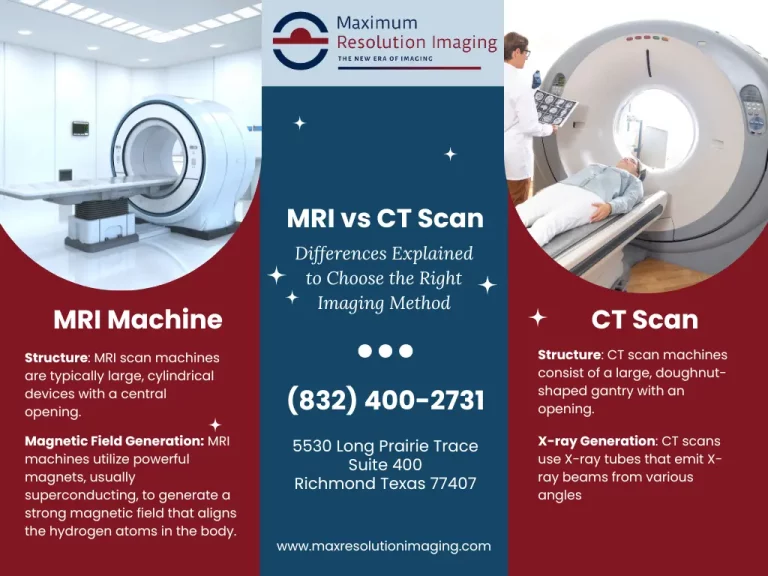
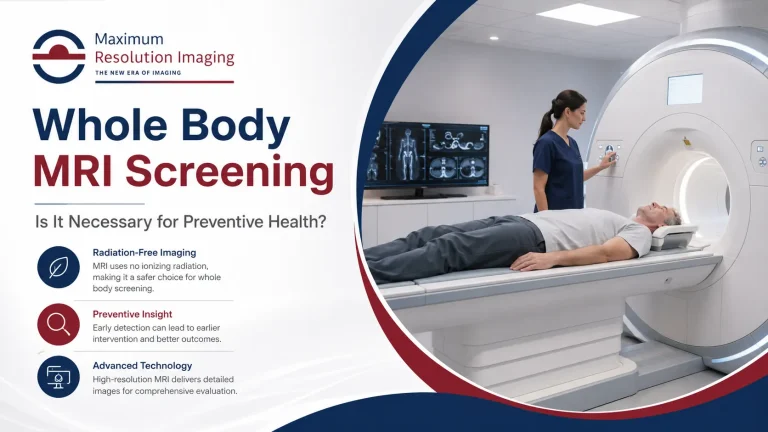
A full body MRI, also called a whole body MRI, uses powerful magnets and radio waves to create detailed images of internal body structures. Unlike X-rays or CT scans, MRI does not use ionizing radiation.
MRI is especially useful for viewing soft tissues, organs, muscles, joints, and other internal structures. A full body MRI may include several major areas of the body in one imaging session, depending on the scan type, patient needs, and provider recommendation.
A full body MRI is noninvasive, which means no surgery or incision is required. Most patients lie on the MRI table while the scanner captures images from different areas of the body.
What Does a Full Body MRI Include?
The exact areas included in a full body MRI can vary by imaging center, scan package, and medical need. In many cases, a full body MRI may review several major body regions.
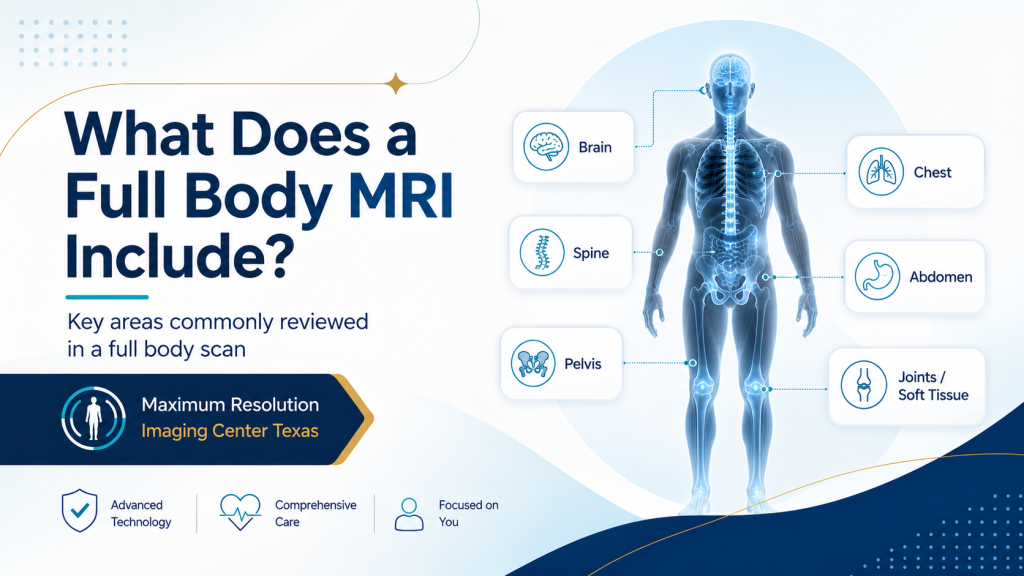
The exact areas included can depend on the scan package, patient needs, and provider recommendation. In many cases, a full body MRI may include imaging of major organs, soft tissues, and important body systems.
|
Area Checked |
What It May Help Evaluate |
|
Brain and Head |
Neurological concerns, structural changes, or abnormal findings |
|
Neck and Spine |
Disc issues, nerve-related concerns, or spinal abnormalities |
|
Chest Area |
Soft tissue and internal structure evaluation |
|
Abdomen |
Liver, kidneys, pancreas, spleen, and other organs |
|
Pelvis |
Pelvic organs and surrounding soft tissues |
|
Muscles and Joints |
Inflammation, injuries, or soft tissue concerns |
|
Blood Vessel-Related Areas |
Certain vascular abnormalities, depending on the scan type |
A full body MRI does not replace every test. It may not replace blood work, colonoscopy, mammogram, biopsy, or a specialist exam when those are needed. Instead, it gives detailed imaging information that can help guide the next step.
Why Do People Choose a Full Body MRI?
Many patients choose a full body MRI because they want to be proactive about their health. Some patients have a family history of serious medical conditions, while others want a more complete view of their internal health.
A full body MRI may be considered for:
More information to discuss with a healthcare provider
It is important to understand that a full body MRI is a screening tool, not a final diagnosis by itself. If something unusual appears on the scan, your provider may recommend follow-up testing or specialist care.
Full Body MRI vs Regular MRI+
A regular MRI usually focuses on one specific area, such as the brain, knee, shoulder, spine, or abdomen. A full body MRI looks at multiple areas during one exam.
|
Regular MRI |
Full Body MRI |
|
Focuses on one body part |
Reviews multiple body areas |
|
Often ordered for a specific symptom or injury |
Often used for broader screening or preventive insight |
|
Shorter scan time in many cases |
May take longer because more areas are reviewed |
|
Useful for targeted diagnosis |
Useful for wider internal health evaluation |
|
May be ordered after an injury or symptom |
May be chosen for early detection or overall screening |
Both scans can be valuable. The right choice depends on your symptoms, health goals, provider recommendation, and the reason for imaging.
Is a Full Body MRI Safe?
MRI is generally considered safe for many patients because it does not use ionizing radiation. However, MRI uses a strong magnet, so safety screening is very important.
Before your scan, the imaging team will ask about pacemakers, metal implants, cochlear implants, surgical clips, metal fragments, implanted devices, or prior surgeries. You should also tell the team if you are pregnant, claustrophobic, or have kidney concerns if contrast may be used.
This safety step helps protect you and helps the imaging team capture clear, accurate images.
What Happens During a Full Body MRI?
During the scan, you will lie on a cushioned MRI table. The table moves into the MRI scanner, and the machine captures images of different body areas. You will need to stay still during the exam because movement can blur the images.
The MRI machine may make loud tapping, knocking, or humming sounds. Ear protection is usually provided to help reduce noise. The technologist may be able to speak with you during the scan and check on your comfort.
Some scans may use contrast, while others may not. If contrast is needed, the imaging team will explain the process before your scan.
How to Prepare for a Full Body MRI
Preparation depends on the type of scan being performed. Some full body MRI scans may not require fasting, while others may have special instructions. Before your appointment, review the preparation for MRI scan guidelines provided by your imaging center and follow any instructions carefully.
In general, you may be asked to remove jewelry, watches, belts, hair pins, glasses, hearing aids, phones, credit cards, and anything with metal. Wear comfortable clothing and bring your ID, insurance information, referral if required, and any previous imaging reports if available.
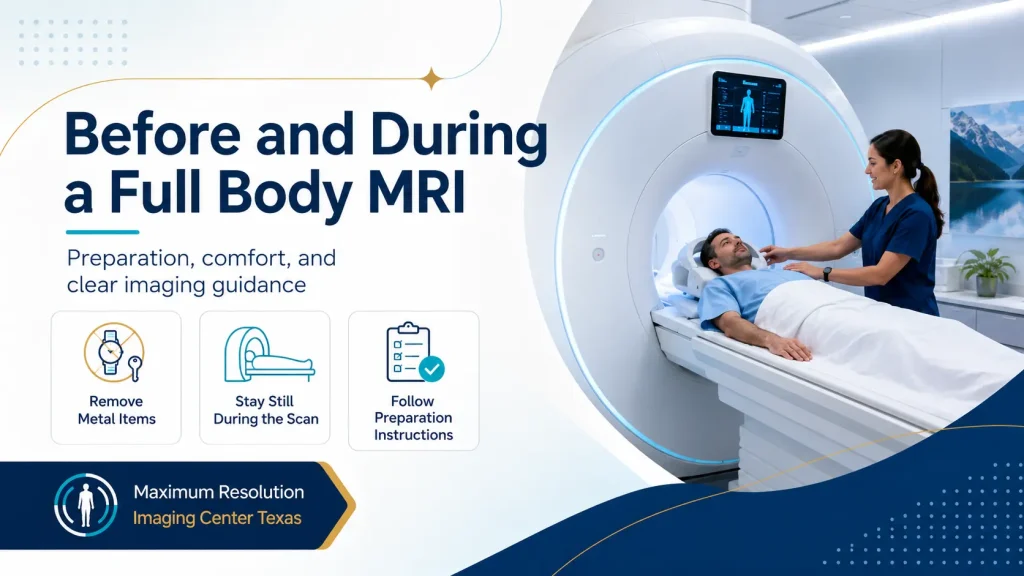
If you have anxiety in enclosed spaces, tell the imaging team before your appointment so they can guide you on available options.
What Are the Benefits of a Full Body MRI?
A full body MRI can provide a detailed look at multiple internal areas without radiation. It may help identify findings that need follow-up and may give patients more information about their overall health.
Benefits may include:
A full body MRI is most helpful when results are reviewed with a qualified medical provider who understands your symptoms, history, and risk factors.
Are There Any Limitations?
Yes. A full body MRI is not perfect and cannot detect every condition. Some health concerns are better found with blood tests, colonoscopy, mammogram, ultrasound, CT scan, biopsy, or other specialized exams.
A scan may also find something that looks abnormal but is not serious. This can sometimes lead to additional testing. For this reason, it is important to understand your results with help from a healthcare provider.
A full body MRI should be part of a complete health plan, not a replacement for regular checkups or recommended screenings.
Who Should Consider a Full Body MRI?
A full body MRI may be considered by patients who want preventive imaging, have unexplained symptoms, or have a family history of certain health concerns. It may also be helpful for people who want a radiation-free imaging option and a broader view of internal health.
However, not everyone needs a full body MRI. Your provider can help decide whether this scan makes sense based on your age, symptoms, medical history, risk factors, and health goals.
Full Body MRI at Maximum Resolution Imaging Center Texas
Maximum Resolution Imaging Center Texas provides full body MRI scan services for patients in Houston, Richmond, and nearby communities. The goal is to offer detailed imaging, accurate results, and a smooth patient experience from scheduling to reporting.
If you are interested in preventive MRI screening or want to learn whether a full body MRI is right for you, the team can help explain the process and guide you through your next step.
Schedule a Full Body MRI in Houston or Richmond, TX
A full body MRI may be a helpful option if you want a detailed look at your internal health without radiation. It can support early detection, preventive screening, and more informed conversations with your healthcare provider.
Final Thoughts
A full body MRI can offer valuable imaging insight for patients who want a broader understanding of their health. It may help identify areas that need follow-up and support a more proactive approach to wellness.
While it does not replace routine checkups, blood work, or specialist screenings, it can be a useful part of a complete health plan. If you are considering a full body MRI in Houston or Richmond, TX, Maximum Resolution Imaging Center Texas can help you understand the process and next steps.